
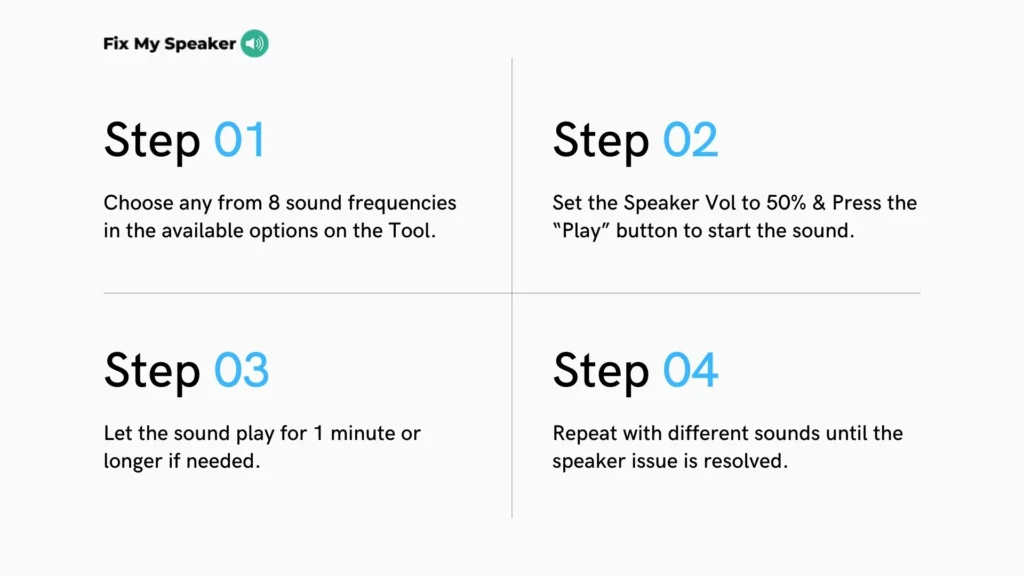
Fix my speaker is a common plea among audio enthusiasts and casual listeners alike when their beloved devices start to malfunction. Whether you’re dealing with annoying sound distortion, a complete lack of audio, or connectivity issues, the frustration of a faulty speaker can quickly dampen your listening experience. In a world where music, podcasts, and virtual meetings play significant roles in our daily lives, knowing how to effectively address speaker problems becomes essential.
Understanding the repair process is crucial for anyone looking to fix my speaker efficiently. Many users resort to various tools, hoping to diagnose and resolve issues quickly. However, the time it takes to fix a speaker can vary widely based on the nature of the problem, the tools at your disposal, and your level of expertise. This guide will explore the average repair times associated with different types of speaker issues and provide insights on how to streamline the repair process.
In addition to repair timelines, several factors can influence how long it takes to fix my speaker. From minor software glitches that can be rectified in mere minutes to extensive hardware repairs requiring specialized knowledge, understanding these variables is vital for managing your expectations. By equipping yourself with the right tools and expertise, you can tackle speaker issues more confidently, ensuring that you can return to enjoying your favorite audio experiences without unnecessary delays.
Understanding Speaker Issues
When dealing with malfunctioning speakers, it’s crucial to first identify the type of problem you’re facing. Different issues can lead to various symptoms, and knowing what to look for can help you diagnose the problem more accurately and determine the necessary repair steps.
Types of Speaker Problems
Sound Distortion:
- Description: Sound distortion occurs when audio output is altered in an undesirable way. This can manifest as crackling, buzzing, or an overall muddled sound quality.
- Causes: This issue can stem from several factors, including:
- Damaged Components: Physical damage to parts like the woofer or tweeter can affect sound quality.
- Incorrect Settings: Audio settings that are improperly configured can lead to distortion. For example, if the volume is set too high, it can cause clipping and distortion.
No Sound:
- Description: When there is no audio output from the speaker, it can be frustrating and confusing.
- Causes: Several underlying issues can lead to a complete lack of sound:
- Connectivity Issues: Problems with cables or connections can prevent audio signals from reaching the speaker.
- Driver Problems: Outdated or corrupted audio drivers can inhibit sound output.
- Internal Component Failure: Internal issues, such as blown fuses or damaged circuits, may lead to total sound failure.
Connectivity Problems:
- Description: These issues can prevent your speaker from establishing a proper connection with audio sources, whether wired or wireless.
- Causes: Common connectivity problems include:
- Bluetooth Issues: Incompatibility with devices, interference, or outdated firmware can disrupt Bluetooth connections.
- Wired Connection Issues: Loose or damaged cables can lead to intermittent sound or no sound at all.
Physical Damage:
- Description: Physical damage refers to any harm to the speaker’s structure that may affect its performance.
- Causes: Common causes of physical damage include:
- Drops and Impacts: A fall can cause internal components to shift or break.
- Spills: Liquid exposure can short-circuit components and lead to corrosion.
- Wear and Tear: Over time, regular use can wear down parts, leading to decreased performance or failure.
Diagnosing the Issue
To effectively address speaker problems, you must first diagnose the specific issue at hand. Proper diagnosis can save you time and effort by targeting the root cause directly. Here are some standard diagnostic tools and methods to identify speaker problems:
Audio Testing Software:
- Function: This software analyzes sound quality and can detect distortions or anomalies in the audio output.
- How It Works: The software evaluates the speaker’s performance by playing test tones and frequencies and can help identify whether the issue is in sound quality or settings.
Cable Testers:
- Function: These tools check for continuity and shorts in speaker cables.
- How It Works: By sending a signal through the cable, testers can determine whether some breaks or faults may be causing connectivity issues.
Multimeters:
- Function: Multimeters measure electrical properties like voltage, current, and resistance.
- How It Works: A multimeter can help identify power supply issues or faulty components by checking the electrical flow to the speaker and examining connections.
Average Repair Times
Understanding the average repair times for different types of speaker issues helps users set realistic expectations when troubleshooting or seeking repairs.
Basic Repairs
Basic repairs typically address minor issues that are relatively easy to fix. These problems can often be resolved quickly and usually do not require specialized knowledge or tools. The estimated repair times for basic repairs are as follows:
Loose Connections (Under 10 minutes):
- Explanation: Loose connections can happen when cables are not securely plugged into the speaker or audio source. This can result in sound loss or intermittent audio. Fixing loose connections involves:
- Checking Cables: Inspecting the speaker cables for damage or wear.
- Reconnecting: Ensuring all cables are securely plugged into their respective ports (e.g., speaker outputs, power sources).
- Timeframe: This quick inspection and reconnection usually takes less than 10 minutes.
- Software Settings (5-15 minutes):
- Explanation: Sometimes, the issue may stem from incorrect settings in the audio software or operating system. Adjustments could involve:
- Volume Controls: Ensuring the speaker volume is appropriately set.
- Equalizer Settings: Modifying sound settings to enhance audio quality.
- Input Sources: Confirming the correct input source is selected (e.g., Bluetooth, AUX).
- Timeframe: These adjustments can typically be completed in 5 to 15 minutes.
Moderate Repairs
Moderate repairs are needed when issues require a bit more in-depth diagnostics or software updates. These repairs can take longer and may involve additional tools or technical skills. The estimated repair times for moderate maintenance include:
Driver Updates (30 minutes to 1 hour):
- Explanation: Speakers may require updated drivers to function correctly, especially when connected to new devices or operating systems. The process generally includes:
- Downloading Drivers: Access the manufacturer’s website or use a driver update tool.
- Installing Updates: Follow the prompts to install the new drivers and possibly restart the system to apply the changes.
- Timeframe: This entire process can take between 30 minutes to 1 hour, depending on download speed and installation complexity.
Speaker Calibration (30 minutes to 2 hours):
- Explanation: Calibration involves adjusting the speaker settings for optimal sound quality in your specific environment. This process may require:
- Using Calibration Tools: Employing software or hardware tools to analyze sound output.
- Adjusting Settings: Modifying bass, treble, and spatial settings to fit the room’s acoustics.
- Timeframe: Depending on the complexity of the setup (e.g., multiple speakers, room layout), calibration can take from 30 minutes to 2 hours.
Major Repairs
Major repairs are necessary when speakers experience significant issues, such as physical damage or internal component failure. These repairs typically take the longest due to the complexity involved. Estimated repair times for major maintenance include:
Component Replacement (Several hours):
- Explanation: If internal components like woofers or tweeters are damaged, they may need to be replaced. This process involves:
- Disassembling the Speaker: Carefully open the speaker casing to access internal parts.
- Replacing Components: Installing new parts, which may require soldering or special tools.
- Reassembling the Speaker: Ensuring everything is adequately secured and functional.
- Timeframe: This process can take several hours, especially if the technician needs to order specific replacement parts, which can add additional time.
Physical Damage Repair (1 day to a week):
- Explanation: Severe physical damage (e.g., from drops, spills, or other accidents) may require extensive repair work, including:
- Assessing the Damage: Evaluating the extent of the damage to determine what repairs are necessary.
- Ordering Parts: If parts are needed, the time it takes to source and receive them can vary significantly.
- Performing Repairs: Repairing or replacing damaged sections, which might require specialized tools and skills.
- Timeframe: Depending on the extent of the damage and the availability of parts, this can take anywhere from 1 day to a week to complete.
Factors Affecting Repair Time
Severity of the Issue
- Explanation: The severity of the speaker issue is a primary determinant of repair time.
- Minor Problems: These typically include issues such as loose connections, simple software glitches, or basic settings misconfigurations. For example, if the speaker is not producing sound due to a disconnected cable, it can usually be resolved quickly—often within minutes. Such problems are straightforward to identify and fix, making them quick repairs.
- Significant Issues: In contrast, severe problems can involve internal component failures, physical damage, or complex software malfunctions. For instance, if a speaker’s driver or amplifier is damaged, diagnosing the exact problem may require disassembling the speaker and conducting thorough testing. This could take hours or even days, especially if multiple components need to be tested or replaced.
Type of Tool Used
Explanation: The tools utilized in the repair process can significantly affect the time required to fix a speaker.
- Essential Tools: Simple tools like screwdrivers, basic multimeters, or general audio testing equipment may only allow for straightforward repairs. Suppose a problem requires deeper diagnostics or troubleshooting; more than these essential tools may be necessary, leading to longer repair times.
- Advanced Tools: On the other hand, specialized tools designed for speaker diagnostics and repairs—such as advanced audio testing software, professional-grade multimeters, or dedicated speaker repair kits—can expedite the process. These tools often provide faster and more accurate diagnostics, allowing technicians to identify and fix issues more efficiently, thus reducing overall repair time.
Experience Level
Explanation: The technician’s experience level plays a critical role in determining how quickly a speaker can be repaired.
- Experienced Technicians: A seasoned technician who has encountered similar issues before is likely to diagnose problems more quickly and apply the correct solutions efficiently. They may also possess a deeper understanding of speaker mechanics and electronic components, allowing them to navigate repairs swiftly.
- Novice Repairers: In contrast, someone with less experience may take longer to identify the issue and may need to consult manuals or guides throughout the repair process. Their lack of familiarity with the tools or the speaker’s internal components can lead to hesitations and errors, resulting in a longer repair time.
Availability of Parts
Explanation: The availability of necessary replacement parts is crucial for physical repairs and can significantly influence repair timelines.
- In-Stock Parts: If a technician has immediate access to the required components—such as woofers, tweeters, or internal circuitry—the repair can proceed without delays. This is ideal for common repairs where parts are readily available.
- Ordered Parts: However, if the needed parts are not in stock, they may need to be ordered from suppliers. This process can introduce significant delays, sometimes taking days or even weeks, depending on shipping times and part availability. In some cases, if the manufacturer has stopped producing a specific part, it may not be easy to find a replacement, prolonging the repair process even further.
Best Practices for Efficient Speaker Repairs
Use Reliable Tools
Explanation:
Investing in high-quality, reliable repair tools is crucial for effective speaker repairs. Tools that are well-rated by both users and professionals can provide better accuracy and efficiency. Here’s why you should prioritize reliable tools:
- Precision: High-quality tools offer better precision, which is essential when diagnosing issues or making repairs. For example, a good multimeter can accurately measure voltage and resistance, helping you quickly identify electrical problems.
- Durability: Reliable tools tend to last longer, which means you won’t have to replace them frequently. This can save you money in the long run.
- User-Friendliness: Many reliable tools are designed with user experience in mind, making them easier to use, especially for beginners. Look for tools that come with clear instructions and support.
- Versatility: Investing in versatile tools can help you address multiple speaker issues, whether they’re related to sound quality, connectivity, or physical damage.
Follow a Systematic Approach
A systematic approach can streamline the repair process and minimize errors. Here’s a step-by-step breakdown:
Identify the Issue:
Start by using diagnostic tools like audio testing software to pinpoint the specific problem. This step is crucial as it saves time by ensuring that you focus on the right issue rather than guessing.
Research Solutions:
Once you’ve identified the problem, look for solutions tailored to your specific speaker model and the issue at hand. This could involve searching online forums, reading the user manual, or checking manufacturer websites for troubleshooting guides.
Implement Repairs:
With a clear understanding of the problem and a plan in place, use your tools methodically to fix the issue. Following a step-by-step process helps avoid mistakes and ensures that every detail is noticed.
Test the Speaker:
After implementing repairs, always test the speaker to verify that the issue has been resolved. Play a variety of audio files to ensure that sound quality is restored and that no new problems have arisen.
Keep Software Updated
Explanation:
Regularly updating your audio software and drivers is a proactive way to prevent many familiar speaker issues. Here’s why this practice is essential:
- Improved Compatibility: Software updates often include improvements that enhance compatibility with your speaker and other devices, reducing connectivity issues.
- Bug Fixes: Updates frequently address bugs and glitches that may cause your speaker to malfunction. Keeping your software current can prevent these problems from occurring.
- Performance Enhancements: Updated software may include enhancements that improve audio performance, such as better sound processing or enhanced equalization settings.
- Security: Outdated software can leave your system vulnerable to security threats. Regular updates help protect your devices and data.
Maintain Your Speaker
Explanation:
Regular maintenance is essential for prolonging the life of your speaker and preventing significant repairs. Here are critical maintenance practices:
- Cleaning: Dust and debris can accumulate on speakers, affecting sound quality. To prevent dust buildup, regularly clean the exterior and speaker grills using a soft cloth or a vacuum with a brush attachment.
- Check Connections: Regularly inspect cables and connections for wear or damage. Loose or damaged connections can cause sound issues, so ensure all cables are securely plugged in.
- Monitor Performance: Pay attention to any changes in sound quality or functionality. Early detection of issues can prevent more extensive repairs down the line. If you notice distortion, buzzing, or connectivity problems, address them immediately.
- Store Properly: If you don’t use your speaker often, store it in a dry, cool place and cover it to protect it from dust and moisture.
Frequently Asked Questions (FAQs)
How can I speed up the repair process?
Using reliable tools and having a clear understanding of the issue can significantly speed up the repair process.
What if I need help fixing my speaker using the tool?
If you’re unable to resolve the issue, consider consulting a professional technician for assistance.
Are there any tools that can help diagnose speaker issues?
Yes, tools like audio testing software, multimeters, and cable testers can effectively diagnose speaker issues.
How often should I perform maintenance on my speaker?
Regular maintenance every few months can help keep your speaker in good condition and prevent issues.
Can I repair my speaker myself, or should I hire a professional?
It depends on your skill level and the severity of the issue. Minor problems can often be fixed at home, while major repairs may require professional assistance.
Conclusion
Understanding how long it takes to fix your speaker using various tools can help you manage your expectations and plan accordingly. While basic repairs may only take a few minutes, more complex issues can require several hours or even days. By following best practices and maintaining your equipment, you can reduce repair times and enhance your speaker’s longevity.